
You need Food supplements, also known as dietary supplements, to make up for the deficiency in your diet. If you have a balanced diet, then you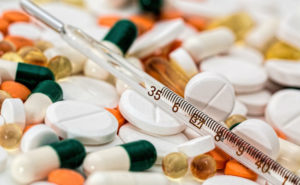 don’t need a food supplement, as a food supplement is used to replace the missing nutrients in your diet.
According to EU Regulation, Article 2, The Food Supplements Directive (FSD) Directive 2002/46/EC, Food supplements are “foodstuffs the purpose of which is to supplement the normal diet and which are concentrated sources of nutrients or other substances with a nutritional or physiological function, alone or in combination, marketed in dose form, namely forms such as capsules, pastilles, tablets, pills and other similar forms, sachets of powder, ampoules of liquids, drop dispensing bottles, and other similar forms of liquids and powders designed to be taken in measured small unit quantities.”
As it can be seen from the above definition, food supplements are a variety of products or medicines which we can find on the market today.
Why Do You Need To Take Supplements
Generally, food supplements are taken to make up for insufficiency of nutrients required by the body through the food we eat. The may be in the form of vitamins, minerals, amino acids, fatty acids, and other substances delivered in the form of pills, tablets, capsules, liquid, etc. They may be available in a range and different combinations of doses. But it has to be understood that the body needs the right proportion of nutrients for good health and so, the appropriate amount of supplements need to be taken for proper functioning of the body. Consuming a higher amount of nutrients than the body needs does not necessarily make our bodies function better. On the contrary, taking more than what the body needs may result in adverse side effects. For the reason of safeguarding consumers’ health, supplements can therefore only be legally sold with an appropriate daily dose recommendation, and a warning statement not to exceed that dose.
In addition, it is recommended that women of childbearing age, who are sexually active, should take a 400μg of folic acid supplement daily to prevent birth defects. in the baby. So, it may be a good idea for women in this category to take follic acid, even though they may not be planning for pregnancy.
How do You know that what You Are taking is safe?
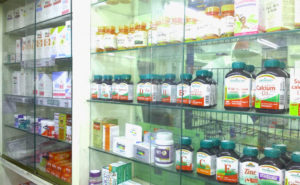 In the US, The Food and Drug Administration (FDA) regulates food supplements. However, unlike medications, food supplements are treated as food. For this reason, manufacturers of supplements are not required to show that their products are safe or effective before they sell them.
In Europe, the European Union, The European Union have made laws to help ensure that food supplements are safe and properly labelled. Only certain nutrients may be used in food supplements and these may only be used in amounts that do not pose a health risk. Maximum safe levels for some supplements have yet to be set.
The label must show clearly:
-
What the ingredients are
-
How much to take, and how often
-
The amount of each nutrient in a supplement, expressed as a percentage of RDA
(the recommended daily allowance for an adult) -
A statement that the supplement is not designed to replace a healthy, balanced diet.
Before buying any supplement, it’s a good idea to talk to your doctor to find out that the product you intend to buy of purchasing is safe. And also ask whether it might interact with any other medications you’re taking.
References
European Commission, (2018). Food supplements [online] Available at :https://ec.europa.eu/food/safety/labelling_nutrition/supplements_en [Accessed 24 Jun. 2018]